
Conservation

Special Appeal
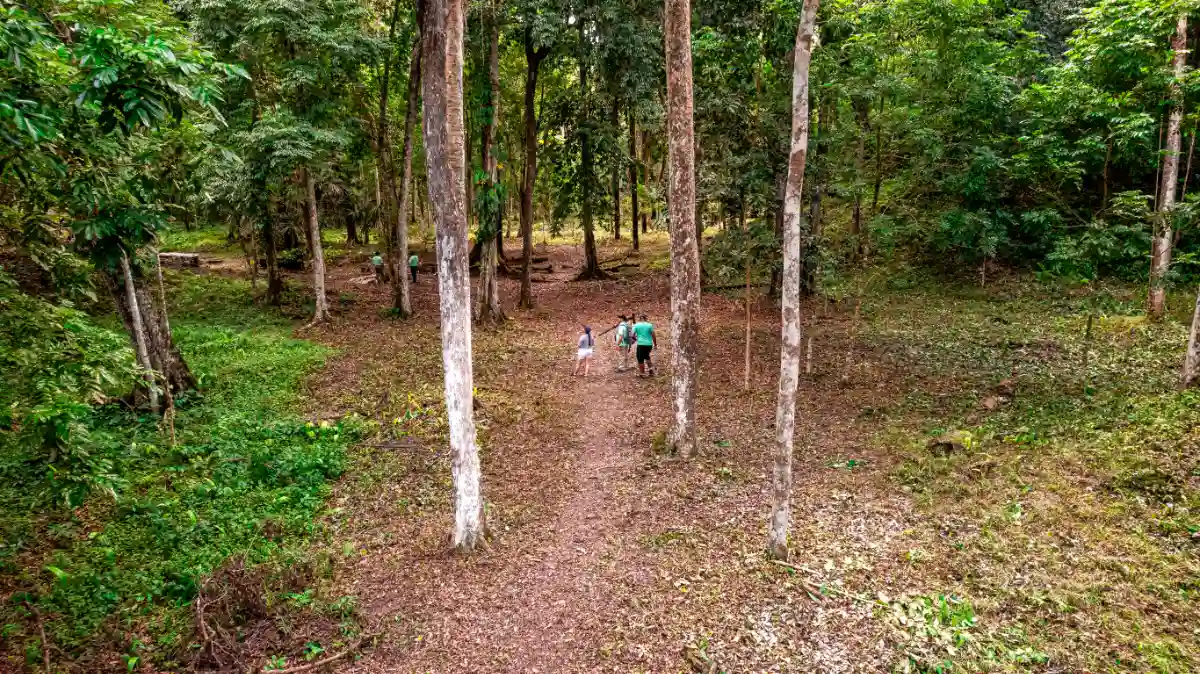
With a mission to conserve the biodiversity and promote the sustainable development of Belize through proper management of the Rio Bravo Conservation and Management Area, Programme for Belize is tasked with protecting the 240 species of trees, 70 species of animals, 400 species of birds, and 12 endangered animal species including the jaguar, the black howler monkey, and Belize’s national animal, the tapir.
This healthy sample of biodiversity requires financial resources to maintain constant monitoring to prevent illicit activities within its boundaries. The vigilance of our forest rangers determines Programme for Belize’s success in protecting Rio Bravo’s biodiversity. These highly trained rangers conduct extensive patrols, maintaining their presence at hotspots and vulnerable access routes in an effort to prevent illegal logging and hunting. Working in collaboration with the local police and defense force, the rangers also function as special constables empowered with the ability to detain individuals caught illegally on the property poaching, logging, and conducting illicit farming activities.
One species at high risk from poaching in the Rio Bravo is the Yellow-Headed Parrot. Endemic to Belize, these creatures are highly sought as pets because of their ability to imitate sounds and voices. Poachers prey on the chicks, going so far as cutting down trees in the pine savannahs where they nest to capture the chicks. Because they can only reproduce in the wild and bear only two to three chicks a year, their stock has been so severely depleted that they are facing a very high risk of extinction and have been placed under endangered status on the list of protected species. In light of this, Programme for Belize has since developed a Yellow-headed Parrot Recovery Programme, which includes extra protection of nesting sites during the breeding months of March to July and a public awareness programme to reduce the demand for these parrots as pets. However due to funding, the Outreach Program has not been implemented.
PfB will continue its efforts to maintain the integrity of the Rio Bravo with the assistance of its partners and generous donors.
Rangers
As defined in our Management Plan the Protection Programme plays a critical role in maintaining the biological health of the Rio Bravo Conservation and Management Area.
Biodiversity Monitoring
As defined in our Management Plan the Protection Programme plays a critical role in maintaining the biological health of the Rio Bravo Conservation and Management Area.
Fire Prevention
The prevention of damage to the ecosystems by fires is a major undertaking during the dry season between February and June of every year.
Become a Donor
Programme for Belize would like to assist you with any concerns or with further questions you may have about the organization and our activities.
We need your support.
Join Our Community
Are you looking to help the environment, learn and develop your professional skills?
Get Involved With Us